Overview of the Automotive Body Technician Role
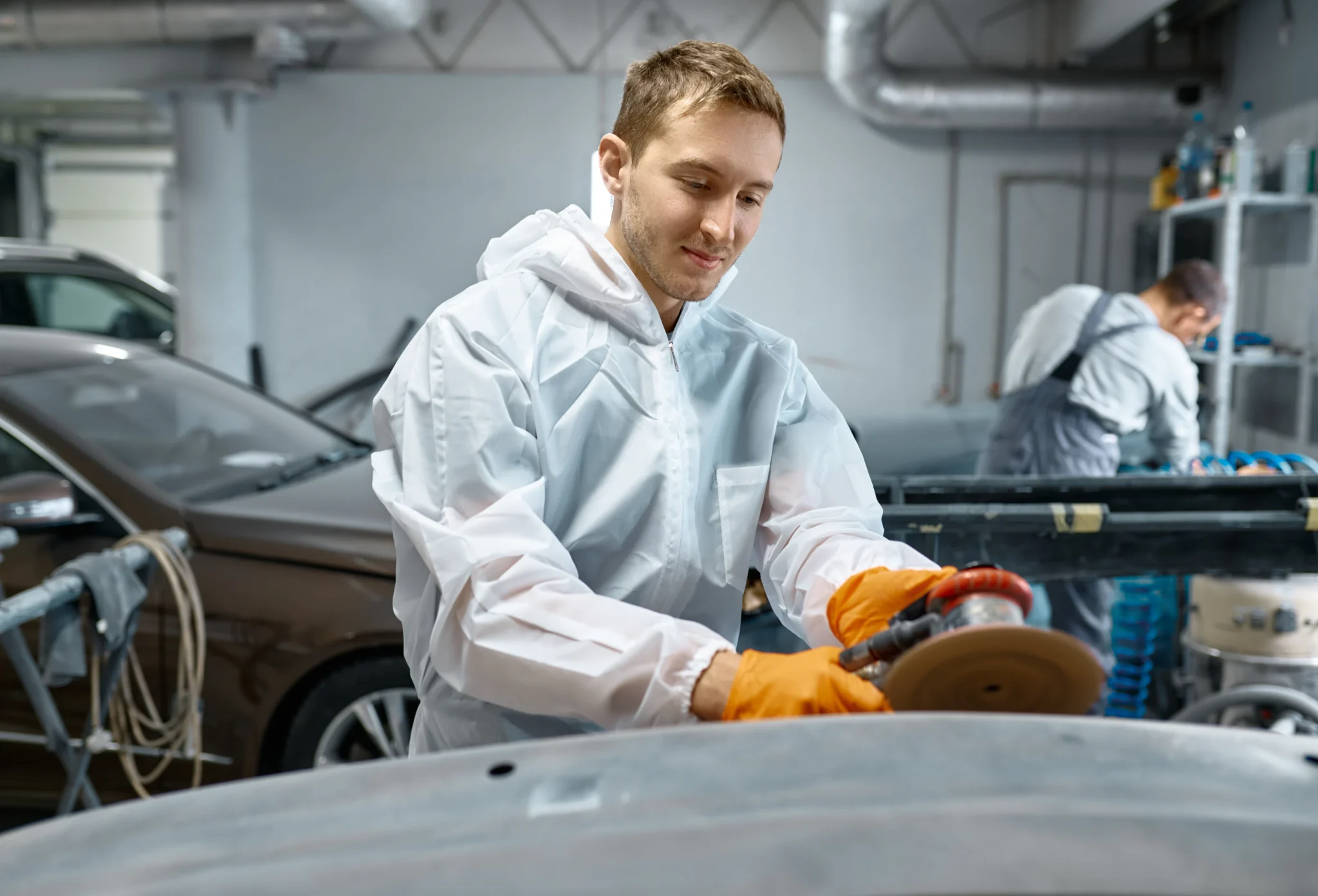
Automotive body technicians are skilled professionals who restore damaged vehicles to their original condition through expert repair, refinishing, and replacement techniques. These technicians work with various materials including steel, aluminum, fiberglass, and advanced composites to repair collision damage, dents, and structural issues. Finding the right automotive body technician requires evaluating both technical expertise and problem-solving abilities. Well-crafted Automotive Body Technician Interview Questions help employers identify candidates who possess the precision, attention to detail, and safety consciousness essential for this demanding role. The right technician combines hands-on skills with customer service awareness to deliver quality repairs that meet industry standards.
What to Look for in a Great Automotive Body Technician
- Technical proficiency with welding, sanding, painting, and frame straightening equipment
- Knowledge of vehicle construction and modern automotive materials including aluminum and high-strength steel
- Attention to detail for color matching, surface preparation, and quality finishing work
- Safety consciousness regarding hazardous materials, ventilation systems, and personal protective equipment
- Problem-solving skills to assess damage and determine the most effective repair approach
- Physical stamina and dexterity for prolonged standing, lifting, and precise manual work
- Communication abilities to document work, follow instructions, and interact with customers and insurance representatives
General Interview Questions for an Automotive Body Technician
What drew you to automotive body repair work? – Reveals passion for the trade and long-term career commitment.
How do you stay current with new automotive technologies and repair techniques? – Assesses commitment to professional development and industry knowledge.
Describe your experience with different types of vehicle damage. – Evaluates breadth of technical experience and specialization areas.
What safety protocols do you consider most critical in a body shop environment? – Tests safety awareness and understanding of workplace hazards.
How do you ensure quality control throughout the repair process? – Measures attention to detail and commitment to craftsmanship standards.
Skills-Based Interview Questions
Walk me through your process for assessing collision damage on a vehicle.
What a strong answer includes: Systematic inspection approach, identification of visible and hidden damage, assessment of structural integrity, consideration of repair versus replacement decisions, and documentation of findings for estimates.
How do you prepare a surface for painting, and why is each step important?
What a strong answer includes: Detailed explanation of cleaning, sanding, priming, and masking procedures, understanding of adhesion principles, contamination prevention, and how surface preparation affects final finish quality.
Describe your experience with different welding techniques used in auto body repair.
What a strong answer includes: Knowledge of MIG, TIG, and spot welding applications, understanding of heat-affected zones, proper joint preparation, and when to use each technique based on material and location.
How do you match paint color and ensure a seamless blend with existing finish?
What a strong answer includes: Use of color matching systems, understanding of metallics and pearls, blending techniques, spray gun settings, and environmental factors affecting paint application.
What tools and equipment do you use for frame straightening and alignment?
What a strong answer includes: Experience with frame machines, measuring systems, hydraulic equipment, understanding of vehicle specifications, and safety procedures for structural repairs.
How do you handle repairs involving advanced materials like aluminum or carbon fiber?
What a strong answer includes: Special handling requirements, dedicated tools and workspace, different welding parameters, contamination prevention, and manufacturer-specific repair procedures.

Behavioral Interview Questions (STAR Method)
Tell me about a time when you had to repair extensive damage that initially seemed beyond repair.
This response reveals problem-solving persistence, technical creativity, and ability to work through complex challenges while maintaining quality standards.
Describe a situation where you discovered additional damage after beginning a repair.
The answer demonstrates communication skills, honesty in dealing with customers or supervisors, and ability to adapt repair plans while managing expectations.
Give me an example of when you had to meet a tight deadline without compromising quality.
This shows time management abilities, work prioritization skills, and commitment to maintaining standards under pressure.
Tell me about a time when you made a mistake during a repair and how you handled it.
The response reveals accountability, problem-solving under stress, learning from errors, and professional integrity in addressing issues.
Describe a situation where you had to work with a difficult customer or handle a complaint.
This demonstrates customer service skills, communication abilities, and professionalism when dealing with challenging interpersonal situations.
Give me an example of when you helped train a newer technician or shared knowledge with a colleague.
The answer shows leadership potential, willingness to mentor others, and ability to communicate technical concepts effectively.
Situational / Scenario-Based Questions
A customer brings in a vehicle with what appears to be minor damage, but you discover significant structural issues. How do you handle this situation?
A strong response demonstrates thorough documentation, clear communication with supervisors, honest customer interaction, and adherence to safety protocols when structural integrity is compromised.
You're working on a high-end luxury vehicle and notice the paint isn't matching perfectly despite following standard procedures. What's your next step?
This shows attention to quality standards, willingness to seek guidance, understanding of color theory, and commitment to customer satisfaction regardless of time investment.
The shop is extremely busy, and you're asked to rush a repair to meet a customer deadline. How do you balance speed with quality?
A strong answer demonstrates time management skills, clear communication about realistic timelines, and unwillingness to compromise safety or quality standards for convenience.
You discover that a previous repair on a vehicle was done incorrectly by another technician. How do you proceed?
This reveals professional ethics, communication skills, team collaboration, and focus on customer safety over workplace politics or personal relationships.
Culture & Team Fit Questions
How do you prefer to receive feedback on your work?
Listen for openness to constructive criticism, desire for continuous improvement, and ability to work collaboratively with supervisors and quality control personnel.
Describe your ideal work environment and team dynamic.
Strong answers show preference for organized, safety-focused environments, appreciation for teamwork, and alignment with your shop's culture and values.
How do you handle working in a fast-paced environment with multiple priorities?
Look for stress management skills, organizational abilities, clear communication about workload, and maintaining quality standards under pressure.
What motivates you to produce high-quality work consistently?
Effective responses demonstrate professional pride, customer focus, personal standards, and intrinsic motivation rather than external pressure alone.
Questions That Identify Top Performers
What's the most challenging repair you've completed, and what made it successful?
High performers discuss complex technical challenges, innovative solutions, persistence through difficulties, and learning opportunities that expanded their capabilities.
How do you approach learning new repair techniques or working with unfamiliar vehicle models?
Top candidates show proactive learning habits, resourcefulness in finding information, willingness to seek mentorship, and systematic approaches to skill development.
Describe a time when you identified a way to improve efficiency or quality in the repair process.
Exceptional technicians demonstrate initiative, analytical thinking, process improvement mindset, and ability to implement positive changes that benefit the entire team.
What do you do when you encounter a repair problem you've never seen before?
Outstanding performers show systematic problem-solving approaches, use of technical resources, willingness to consult experts, and persistence in finding effective solutions.
Frequently Asked Questions About Interviewing an Automotive Body Technician
What certifications should I look for in automotive body technician candidates?
Prioritize ASE (Automotive Service Excellence) certifications, I-CAR training credentials, and manufacturer-specific certifications. These demonstrate commitment to professional standards and current industry knowledge essential for quality repairs.
How can I assess a candidate's actual technical skills during the interview process?
Include practical assessments such as damage evaluation exercises, paint matching tests, or equipment operation demonstrations. Expert interview techniques can help structure these evaluations effectively.
What are red flags to watch for when interviewing body technicians?
Be cautious of candidates who dismiss safety protocols, can't explain their repair processes clearly, show no interest in continuing education, or have frequent job changes without reasonable explanations.
Should I require previous auto body experience, or can I train motivated beginners?
While experience is valuable, motivated candidates with mechanical aptitude and strong work ethic can be trained successfully. Focus on learning ability, attention to detail, and commitment to the trade.
How important is customer interaction experience for this role?
Customer interaction skills vary by shop structure, but basic communication abilities are essential for explaining repairs, handling concerns, and maintaining professional relationships with service advisors and insurance representatives.
What salary range should I expect for automotive body technicians?
Compensation varies significantly by location, experience, and specialization. Research local market rates and consider benefits that improve retention beyond base salary to attract quality candidates.
How can I evaluate a candidate's ability to work with modern vehicle materials?
Ask specific questions about aluminum, high-strength steel, and advanced composites. Discuss manufacturer training, specialized tools, and contamination prevention procedures essential for modern vehicle repairs.
What questions help identify candidates who will stay long-term?
Explore career goals, interest in advanced training, and what they value in an employer. Candidates seeking skill development and professional growth are more likely to build lasting careers.
Final Hiring Considerations
Successful hiring of automotive body technicians requires structured evaluation of both technical competencies and cultural fit. Use these Automotive Body Technician Interview Questions consistently across all candidates to ensure fair comparison and thorough assessment. Document responses systematically and involve experienced technicians in the evaluation process when possible. Consider implementing effective team management strategies and employee motivation techniques to support your new hire's success and long-term retention in your organization.