The Best Construction Worker Interview Questions
If you want to hire a Construction Worker, having well-prepared Construction Worker Interview Questions is essential for finding a suitable applicant.
What is a Construction Worker?
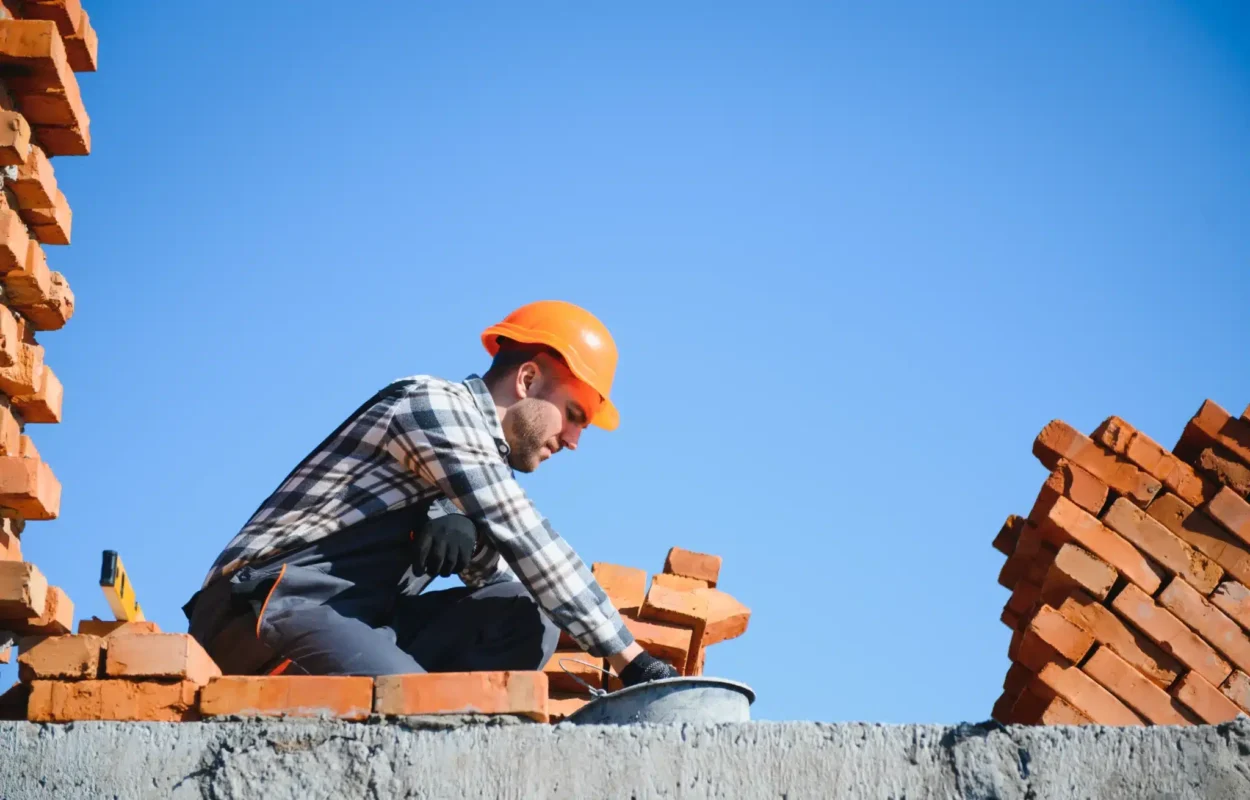
A construction worker is a skilled professional who is responsible for building and repairing structures such as buildings, roads, bridges, and other types of infrastructure. They work in a variety of settings, including residential, commercial, and industrial projects, and their duties range from digging trenches and laying foundations to installing plumbing, electrical systems, and other building components.
Usually, Construction Worker doesn’t need any formal education and they can start off their careers by doing on-the-job training. They may have previous work experience in similar roles.
What does a Construction Worker do?
A construction worker is a skilled laborer who is responsible for building, repairing, and maintaining structures such as buildings, highways, bridges, and other infrastructure projects. Their work involves reading and interpreting architectural blueprints, drawings, and specifications to understand project requirements.
Construction workers utilize a range of tools and equipment, such as hammers, drills, saws, levels, and measuring tape, to take accurate measurements, cut materials to size, and assemble building components. They work with various materials like cement, steel, wood, and more to construct and reinforce structures.
In addition to their technical expertise, construction workers are also responsible for maintaining a safe work environment. They must adhere to strict safety protocols and procedures, wear the appropriate personal protective equipment (PPE), and ensure that their colleagues and other workers onsite are also following safety guidelines.
Construction Worker Interview Questions
Some good Construction Worker Interview Questions to ask include:
- What experience do you have in the construction industry?
- Are you familiar with reading blueprints and plans?
- What safety protocols have you implemented on-site?
- Do you have any experience operating heavy machinery?
- How well can you work as part of a team or independently?
- Do you understand building codes and regulations for the area where we operate?
- Can you handle working in all weather conditions?
- Are you familiar with OSHA regulations, and do you have experience in creating safe worksites?
- What techniques do you use to ensure the most efficient workflow on site?
- How do you plan ahead for potential construction problems?
- What methods do you use to resolve disputes between team members?
- Are you familiar with the latest construction technologies and trends?
- Can you provide references from past employers in the construction industry?

Why is it important to prepare when interviewing a job applicant?
It is crucial to prepare before interviewing a Construction Worker applicant and hiring the best candidate because this role requires a combination of physical abilities, technical expertise, and project management skills. Hiring the right Construction Worker can save a lot of time and money for the company. Working with an inexperienced, untrained, or unsuitable Construction Worker can lead to accidents, mistakes, and project delays. On the other hand, hiring a talented and motivated Construction Worker can increase productivity, reduce costs, and improve job site morale.
The recruitment process for Construction Worker roles should include a thorough screening of applications, interviews with candidates, reference checks, and skill assessments. An effective interview should focus on the candidate’s experience, training, and work history. Hiring the right Construction Worker is essential to the success of any construction project. Employers need to prepare well, evaluate candidates thoroughly, and choose someone who not only has the necessary skills but also fits the team’s work culture and values. The extra effort invested in hiring the best candidate is worth it in the long run as it ensures a safe, efficient, and effective construction site.
Construction Worker Candidate Scorecard
| | |
Does the candidate have the appropriate educational qualifications or training for this position? | | |
Has the candidate acquired the necessary skills or qualifications through past work experiences? | | |
Qualifications/Experience Does the candidate have the technical skills necessary for this position? | | |
Problem Solving Abilities Has the candidate demonstrated critical problem-solving skills? | | |
Did the candidate demonstrate team building and communication skills?
| | |
Would hiring this candidate steer your organization in the right direction? | | |
Is this a step forward or backward in this candidate's career? | | |
Download Scorecard Template