The Best Plumbing Apprentice Interview Questions
If you want to hire a Plumbing Apprentice, having well-prepared Plumbing Apprentice Interview Questions is essential for finding a suitable applicant.
But, first, let’s take a closer look at this important job function.
What is a Plumbing Apprentice?
A Plumbing Apprentice is someone who is learning the trade of plumbing. They may have some experience in the field but are not yet fully qualified plumbers. Apprentices often work under the supervision of a more experienced plumber and may earn a salary while they train.
A Plumbing Apprentice typically has a High School Diploma or Equivalent Some attend a vocational-technical school before receiving on-the-job training.
What does a Plumbing Apprentice do?
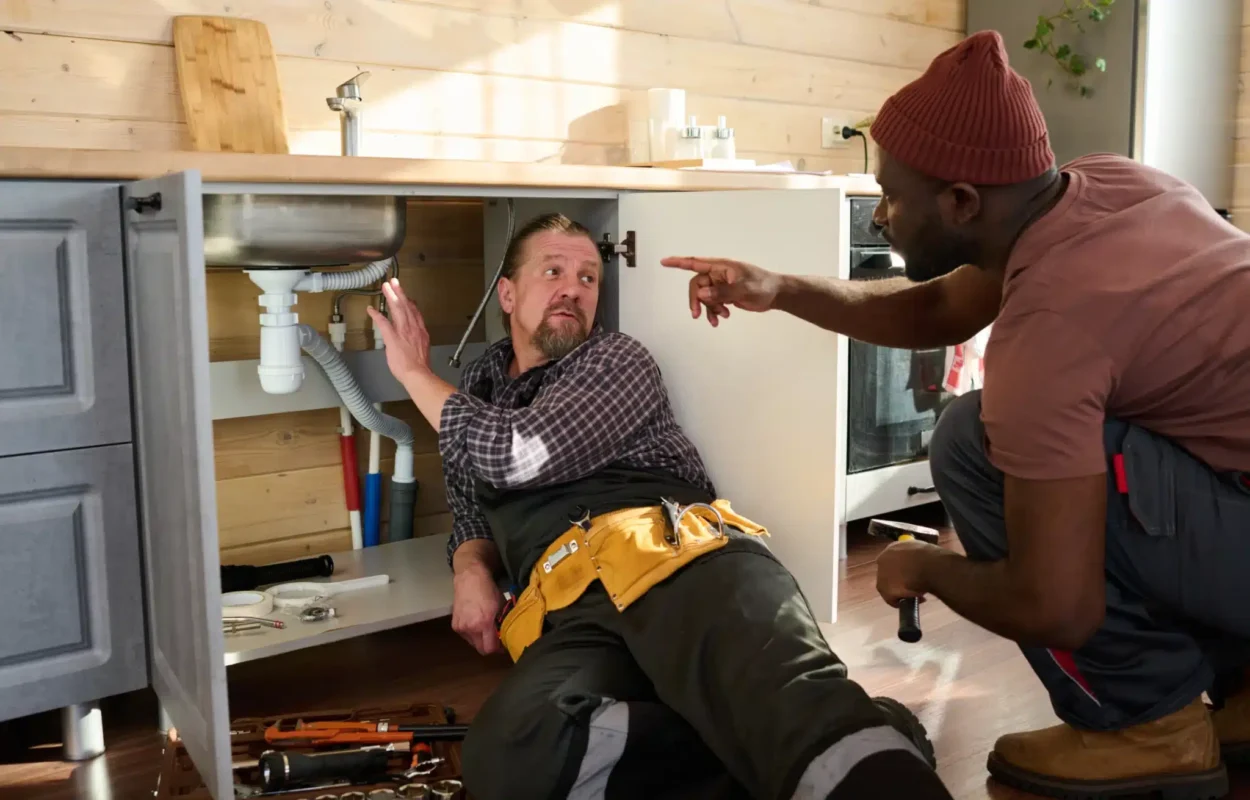
A plumbing apprentice helps a plumber with a variety of tasks, such as installing and repairing pipes, fixing leaks, and cleaning drains. They learn about the different types of plumbing materials and how to use them, as well as the best ways to fix common plumbing problems. By the end of their apprenticeship, they should be able to work independently and confidently handle most plumbing jobs.
Plumbing Apprentice Interview Questions
Some good Plumbing Apprentice Interview Questions to ask include:
- What is your education?
- How much experience do you have in the plumbing trade?
- Do you have a driver’s license? What type of vehicle can you operate?
- Can you work overtime as needed?
- Are you able to travel if necessary for work?
- What wage are you expecting?
- What type of plumbing do you know how to use?
- Have you ever done any apprenticeship before? If so, what did you learn from it?
- What do you think are the most important skills for a plumbing apprentice?
- What made you choose plumbing as a career?

Why is it important to prepare when interviewing a job applicant?
When interviewing a Plumbing Apprentice, it is important to ask questions that assess the applicant’s technical skills, as well as their ability to handle customer service inquiries and installations. It is important to prepare when interviewing a Plumbing Apprentice applicant because plumbing is a critical trade for maintaining the safety and functionality of a building. The apprentice will be learning how to install, maintain, and repair plumbing fixtures, which are used in homes, businesses, and public facilities.
The most important thing to remember when interviewing a Plumbing Apprentice is to assess their technical skills, as well as their customer service skills. This is important because the apprentice will be working closely with customers and must be able to handle customer inquiries and complaints in a professional manner. In addition, the apprentice will be responsible for installing plumbing fixtures, so it is important to ensure that they have the necessary skills to do so. By asking the right questions, you can get a good sense of the applicant’s abilities and whether or not they would be a good fit for the position.
Plumbing Apprentice Candidate Scorecard
| | |
Does the candidate have the appropriate educational qualifications or training for this position? | | |
Has the candidate acquired the necessary skills or qualifications through past work experiences? | | |
Qualifications/Experience Does the candidate have the technical skills necessary for this position? | | |
Problem Solving Abilities Has the candidate demonstrated critical problem-solving skills? | | |
Did the candidate demonstrate team building and communication skills?
| | |
Would hiring this candidate steer your organization in the right direction? | | |
Is this a step forward or backward in this candidate's career? | | |
Download Scorecard Template